Why Gut Health Could Be the Missing Link in Your Constant Fatigue
Introduction: The Fatigue Puzzle
When constant tiredness becomes part of everyday life, it can feel as though your body is running on an empty battery.
You wake up low on energy, push through the day, and by evening, even simple tasks seem heavier than they should.
While it’s easy to blame a busy schedule or poor sleep, the real cause can be hiding in a place most people don’t think to check — the gut.
Advances in research show that digestive health doesn’t just influence how you process food. It plays a direct role in how much energy your body can generate and sustain.
When the gut is out of balance, fatigue can become an unshakable part of the picture.
How Gut Health and Energy Are Connected
The Microbiome’s Role in Energy Production
Your gut microbiome — trillions of bacteria, fungi, and other microbes — doesn’t just digest food.
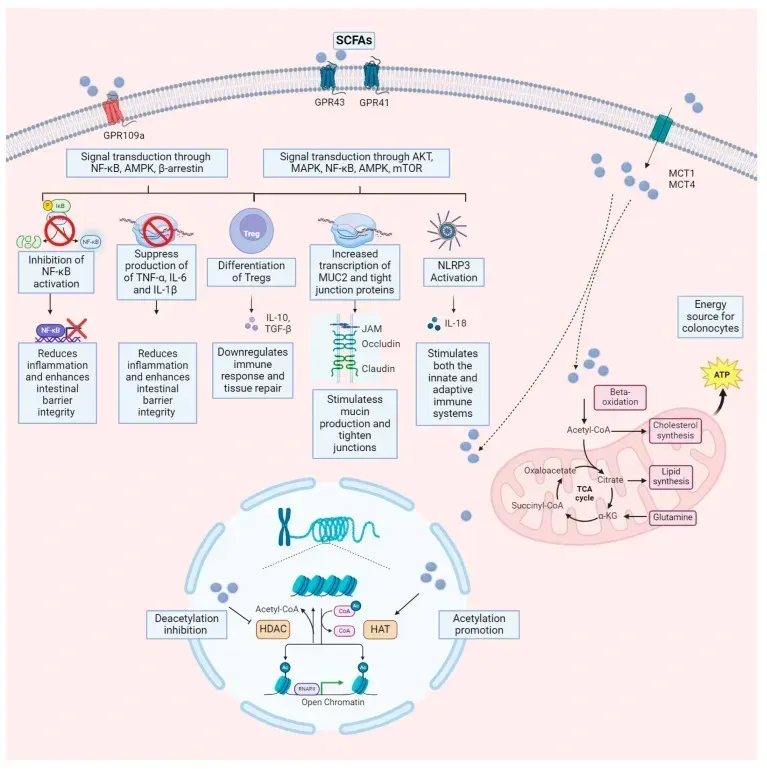
It also produces compounds called short-chain fatty acids (SCFAs), including butyrate, which fuel your gut lining and support whole-body energy.
A 2023 review in the Journal of Clinical Investigation found that reduced levels of butyrate-producing bacteria were linked with increased fatigue and metabolic dysfunction.
Butyrate helps maintain gut barrier integrity and lowers inflammation.
In turn, this protects your mitochondria — the energy factories in your cells — from damage.
When the Gut Barrier Breaks Down
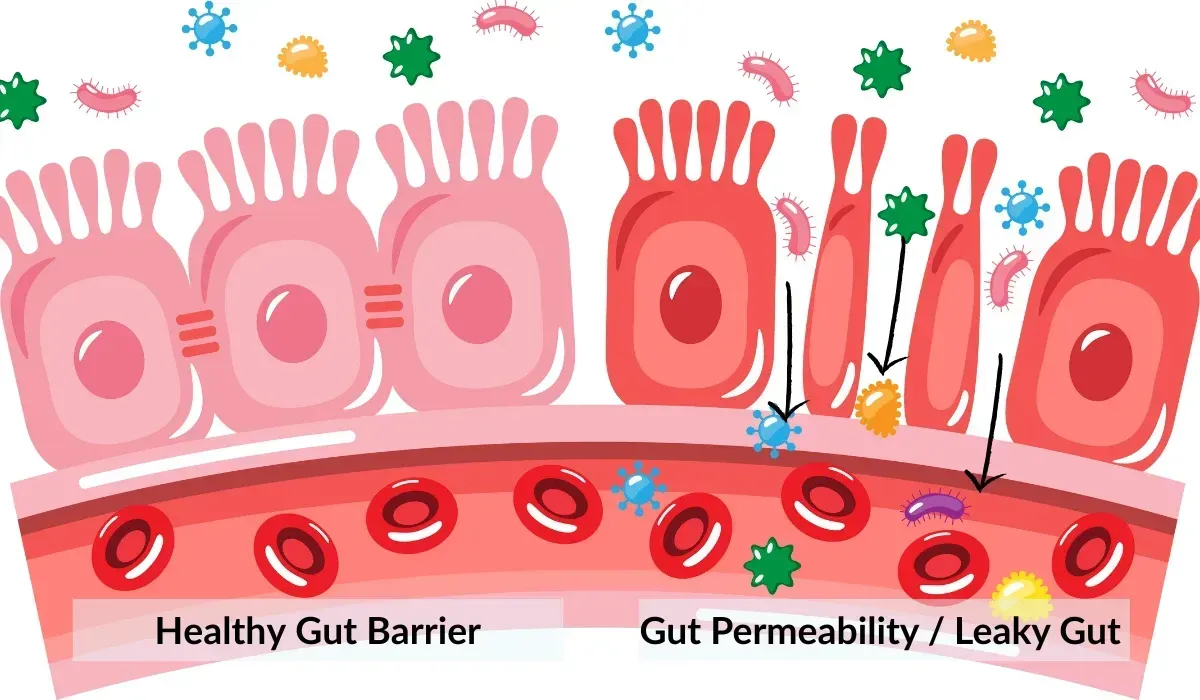
our gut lining becomes more permeable — often called “leaky gut” — unwanted particles like bacterial fragments and toxins can pass into your bloodstream.
According to a 2024 study in Frontiers in Immunology, this process triggers immune activation and chronic inflammation.
Both of these are strongly tied to fatigue.
The Gut-Brain Axis: Why Your Mood and Energy Are Linked
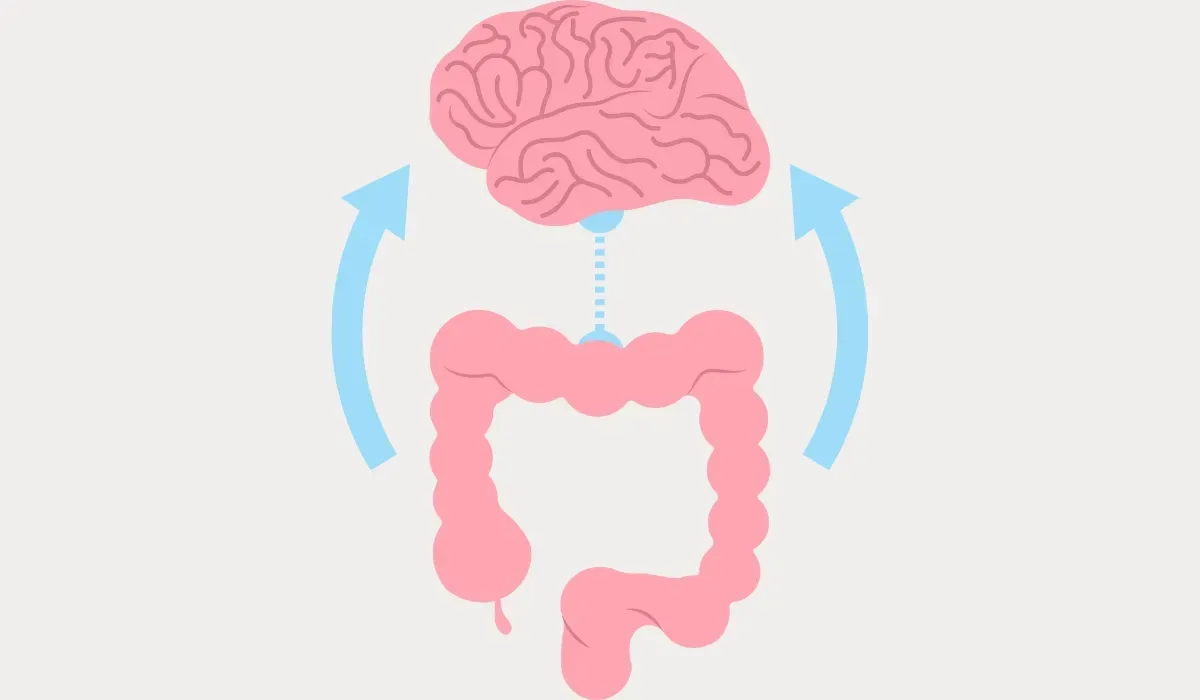
The gut and brain are constantly talking through what’s known as the gut-brain axis.
Over 90% of serotonin — a neurotransmitter crucial for mood and energy regulation — is made in your gut.
Research from the National Institutes of Health found that people with chronic fatigue syndrome (CFS) had significant differences in gut microbiota compared to healthy individuals.
These differences included fewer butyrate-producing bacteria. They were linked not only to fatigue but also to mood disturbances such as anxiety and depression.
A study in PMC also found that probiotics reduced cortisol and depressive symptoms.
Improving gut health can directly impact both energy and mood..
Why Some People Are More Affected Than Others
Hormonal Shifts and the Microbiome
Estrogen and progesterone don’t just regulate reproductive health. They also influence gut microbiota.
A 2022 review in Nature Reviews Endocrinology showed that fluctuations or declines in estrogen can alter gut diversity.
This increases susceptibility to inflammation and fatigue.
It may help explain why conditions like IBS, chronic fatigue syndrome, and fibromyalgia — all linked to gut dysbiosis and increased gut permeability — are more common in women, though men are not immune.
Stress, Sleep, and Fatigue
Stress and disrupted sleep take a direct toll on the gut.
A 2023 review on sleep deprivation and gut health confirmed that poor sleep alters microbiota composition.
This lowers beneficial bacteria and increases inflammation — a cycle that leaves you even more exhausted.
Signs Your Gut Could Be Behind Your Fatigue

If you’re struggling with constant tiredness, check if you also have these gut-related symptoms:
Bloating or gas after meals
Food sensitivities that seem to be increasing over time
Constipation or diarrhea, often alternating
Frequent infections or low immunity
Brain fog and mood swings
Unexplained weight gain or difficulty losing weight
According to the European Journal of Medical Research, up to 58% of people with chronic fatigue syndrome also report IBS-like symptoms.
That’s a clear signal that gut health and energy are intertwined.
The Inflammation Connection
Gut Permeability and Chronic Inflammation
When your gut lining is compromised, bacterial fragments like lipopolysaccharides (LPS) escape into circulation.
This process — known as bacterial translocation — triggers the immune system and drives systemic inflammation.
A 2024 study in PMC linked increased gut permeability and microbial translocation to fibromyalgia and chronic fatigue.
It highlights the gut’s role in driving neuroimmune dysfunction.
If chronic inflammation is a recurring issue for you, see my full post on chronic inflammation and gut health for how it impacts weight, mood, and disease risk.
Why You Can’t Out-Supplement Fatigue
It’s tempting to reach for more coffee or energy supplements.
But research consistently shows you can’t “out-supplement” a leaky or inflamed gut.
Without repairing the root cause, fatigue will keep coming back.
Steps to Reclaim Your Energy Through Gut Health

1. Prioritize Gut-Healing Foods
Fermented foods like sauerkraut and kefir (for probiotic diversity)
Collagen-rich bone broth (to support the gut lining)
Colorful vegetables (for prebiotic fiber and polyphenols)
Wild-caught fish and grass-fed meats (for omega-3s and amino acids)
2. Remove Triggers That Drain Energy
Common culprits include:
Gluten and dairy (often linked with gut permeability)
Refined sugar and alcohol (fuel inflammation)
Processed seed oils (increase oxidative stress)
3. Support Better Sleep and Stress Management
Poor sleep and chronic stress wreck gut balance.
Simple practices like morning sunlight, deep breathing, and reducing blue light at night support both circadian rhythms and microbiome health.
4. Strengthen the Gut-Brain Axis
Probiotic and prebiotic foods — along with adequate protein — help restore neurotransmitter balance.
This reduces anxiety, lifts mood, and directly combats fatigue.
Could a Gut Reset Be the Answer?

If your gut is inflamed, imbalanced, or “leaky,” you will struggle with fatigue no matter how much you sleep or exercise.
The good news? Gut health can be rebuilt.
That’s exactly why I created the 28 Day Gut Reset — a step-by-step plan designed to eliminate inflammatory triggers, restore your gut lining, and give your microbiome the nutrients it needs to thrive.
Many who complete the program report not only less bloating and better digestion but also a surge in natural energy they hadn’t felt in years.
Final Thoughts
Constant fatigue isn’t something you just have to live with.
For many, the missing link lies in the gut.
By addressing microbiome imbalances, repairing the gut lining, and lowering inflammation, you can finally restore the energy and vibrancy you deserve.
If you’re ready to start, the 28-Day Gut Reset can guide you every step of the way.

Sunel Visser
Sunel’s journey with gut health began while living in Thailand, when she developed severe digestive issues.
Determined to find a natural, lasting solution — without antibiotics or 'cop out' medical labels — she dedicated herself to deep research and experimentation.
The result was a transformative protocol that restored her digestive health, stabilized her weight fluctuations, and improved her immune system and overall quality of life - since 2014.
Sunel holds a degree in Sport Science, an Honours degree in Psychology, is a Certified Personal Trainer, Certified Strength and Conditioning Specialist, and has an Advanced Certificate in Nutritional Counseling.
Quick links
Contact
sunel@sunelvfitness.com
+27 84 558 7015