IBS in Women: What Really Causes It and How to Finally Heal Your Gut Naturally
Let’s be honest: living with IBS feels like playing a game of digestive roulette.
One day you’re fine.
The next?
You’re bloated, cramping, and frantically scanning for the nearest bathroom.
Sound familiar?
You’re not alone — IBS affects up to 15% of the global population, and women are twice as likely to suffer from it as men.
But here’s the kicker: most solutions only deal with surface symptoms.
If you want real, lasting relief, you need to understand what’s actually driving your IBS and take a holistic approach that works with your gut (not against it).
That’s what this post is all about — science-backed, natural strategies that finally put you back in control.
What Is IBS, and Why Is It More Common in Women?
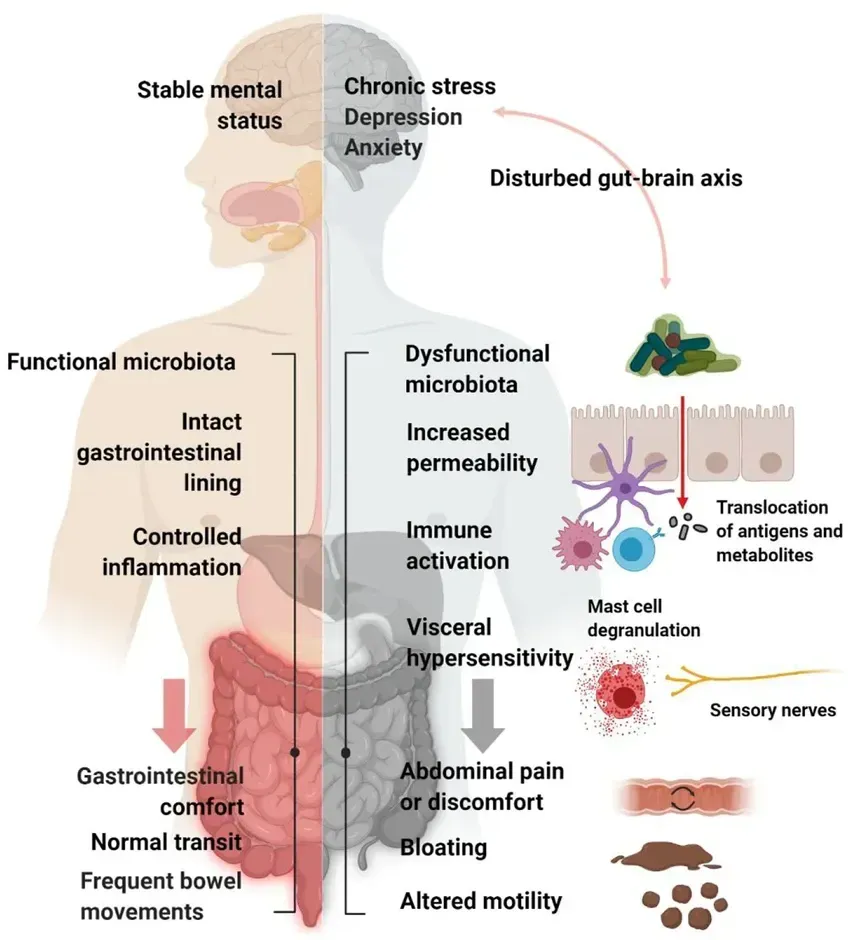
IBS (Irritable Bowel Syndrome) is a chronic disorder of the gut-brain axis — meaning your brain and gut aren’t communicating properly.
It shows up as:
Abdominal pain or cramping
Bloating and excess gas
Diarrhea, constipation, or a mix of both
Feeling like you haven’t fully emptied your bowels
It’s called a “functional” disorder because tests often come back normal, yet your gut function is clearly off.
And if you’re a woman? You’re in the majority.
So, why are women more prone to IBS?
Hormones. Estrogen and progesterone influence gut motility. Around menstruation, many women with IBS report worsened symptoms.
Stress sensitivity. Women are more prone to anxiety-related IBS due to how female brains and guts respond to stress.
Gut-brain communication. Studies show women have stronger responses to pain signals in the gut compared to men.
🔗 See the data from a 2023 review in Neurogastroenterology & Motility
The 5 Root Causes of IBS in Women
1. Gut-Brain Axis Dysfunction (aka Stress is Sabotaging You)
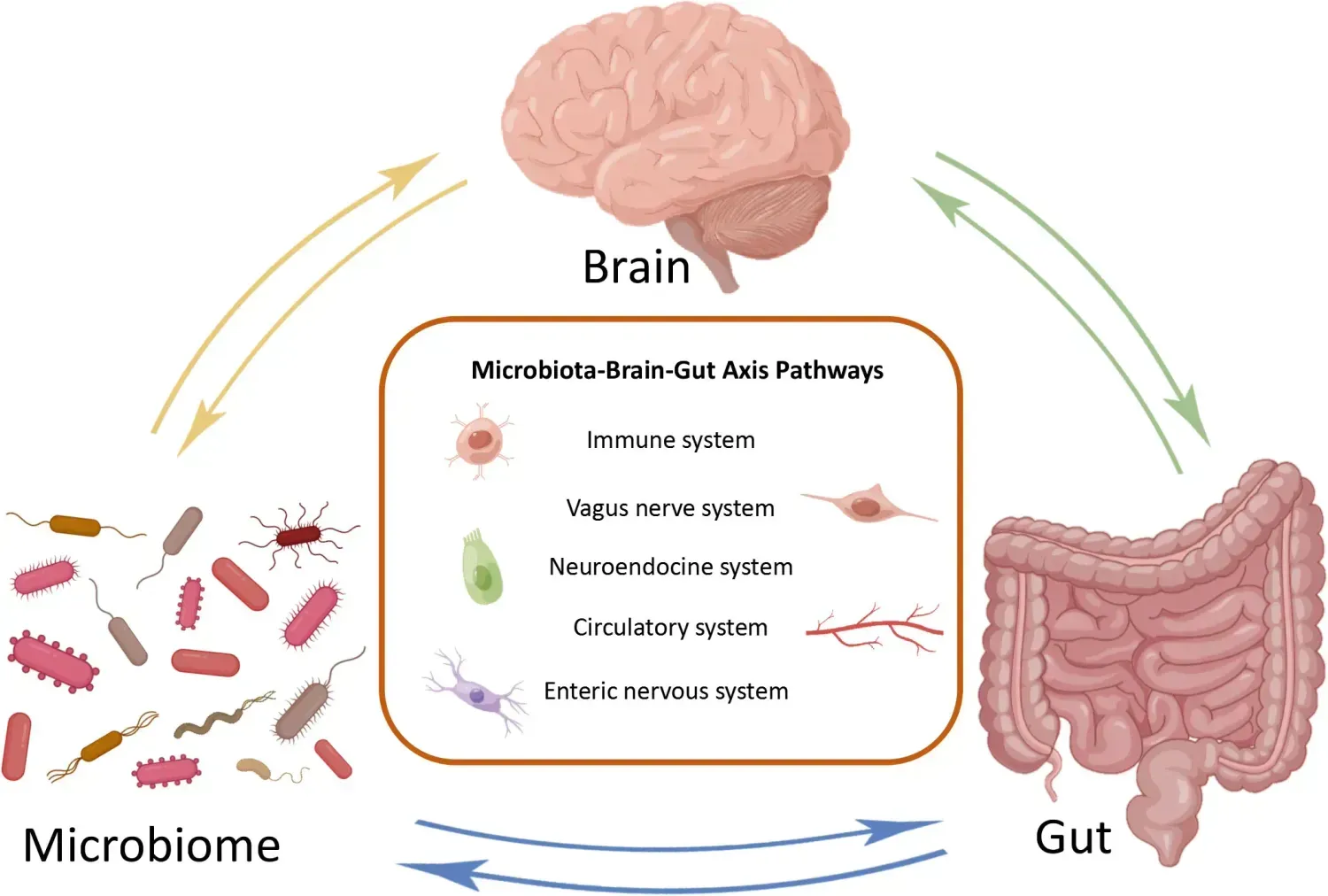
Your brain and gut are in constant contact via the vagus nerve. When you’re calm, digestion flows.
But when you’re stressed?
Your body diverts energy away from digestion, causing motility issues, cramps, and inflammation.
A landmark paper published in Nature Reviews Gastroenterology found that stress increases intestinal permeability (“leaky gut”), alters your gut microbiota, and can trigger IBS flares.
🔗 Read more from Chris Kresser on the gut-brain axis
Common signs your stress is driving your IBS:
Your symptoms worsen before big events or deadlines
You wake up with a flat belly, but by evening you’re painfully bloated
Anxiety, low mood, or poor sleep go hand-in-hand with gut issues
2. Gut Dysbiosis (Imbalanced Microbiome)
Women with IBS often have fewer beneficial bacteria (like Bifidobacteria) and more of the gas-producing or inflammatory types.
This imbalance (called dysbiosis) leads to:
Bloating and gas
Constipation or loose stools
Food intolerances
Some women also have SIBO (Small Intestinal Bacterial Overgrowth) — where bacteria that should live in the colon end up overgrowing in the small intestine, causing fermentation, bloating, and diarrhea.
🔗 Explore the SIBO-IBS link in this 2022 study
3. Food Sensitivities and Poor Digestion
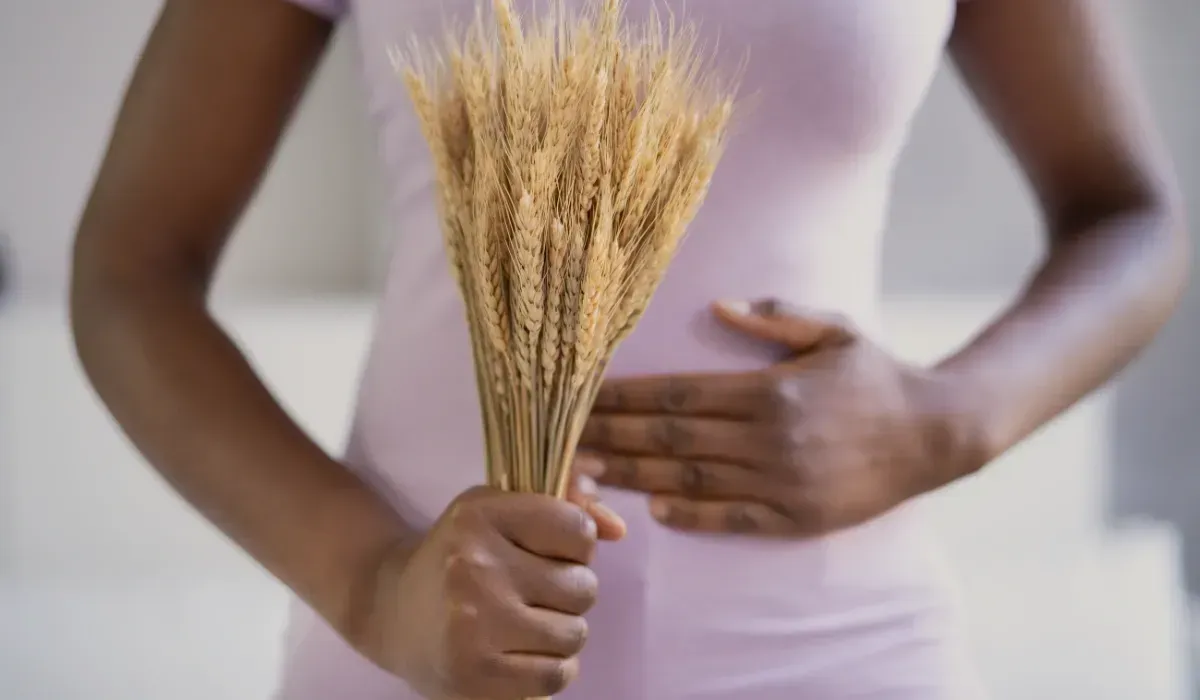
IBS isn’t always about what you eat — sometimes it’s how your gut handles it.
Common trigger foods include:
Gluten (even without celiac)
Dairy (lactose, A1 beta-casein, or other milk proteins)
Onions, garlic, apples (high FODMAPs)
Beans, lentils or other legumes
Artificial sweeteners (like sorbitol)
Your gut may also lack enough enzymes to break foods down, or your gut lining may be inflamed from past infections, antibiotics, or chronic stress.
4. Leaky Gut and Immune Activation
Leaky gut (increased intestinal permeability) is now recognized as a contributor to IBS, especially in women with long-term symptoms.
When your gut barrier is compromised, food particles and toxins can sneak into your bloodstream, triggering low-grade inflammation and worsening IBS symptoms.
🔗 This 2021 review in Frontiers in Immunology details how gut barrier dysfunction is a key player in IBS.
5. Hormonal Fluctuations
Estrogen and progesterone affect the speed of digestion.
In the luteal phase (after ovulation), progesterone can slow gut transit, causing constipation in IBS-C women.
Around your period, prostaglandins increase and speed up gut motility, leading to loose stools in IBS-D.
Many women also find perimenopause or menopause triggers new IBS symptoms due to declining estrogen and changing microbiome composition.
Key IBS Symptoms to Look For
Not sure if you’re dealing with IBS?
Here’s what most women experience:
Lower abdominal cramping or sharp pain
Bloating that worsens throughout the day
Diarrhea, constipation, or a mix (IBS-D, IBS-C, IBS-M)
Urgent bathroom trips
Mucus in stool
Fatigue, brain fog, and irritability
Flare-ups linked to stress or hormonal shifts
🔗 See the full symptom list at Mayo Clinic – IBS
Why Conventional IBS Treatment Often Fails
If you’ve ever been told to “just take fiber” or “try to manage your stress,” you know how frustrating it feels. Too often, women are prescribed:
Laxatives or antidiarrheals
Antispasmodic medications
Antidepressants (like SSRIs)
While these can mask symptoms short-term, they don’t treat the root cause — and they often come with side effects.
This is where a holistic gut reset comes in.
Instead of just controlling symptoms, it heals the gut lining, calms the nervous system, and restores balance.
A Holistic Gut Reset Plan for IBS Relief
This 3-phase approach targets all five root causes — and it works.
🥗 Phase 1: Remove Irritants and Calm Inflammation
Eliminate common triggers: gluten, dairy, sugar, alcohol, caffeine, seed oils
Follow a modified low-FODMAP plan for 2–4 weeks (then reintroduce mindfully)
Ditch the “health” foods that can hurt (e.g., raw vegetables, sparkling water, chicory)
🧠 Phase 2: Reset the Gut-Brain Axis
Practice daily vagus nerve stimulation (humming, gargling, cold exposure)
Use diaphragmatic breathing before meals (inhale for 4, exhale for 6–8)
Do 10–20 minutes of mindful movement (yoga, walking, tai chi)
Add guided meditation or CBT for IBS-related anxiety
🔗 Cleveland Clinic outlines simple strategies to calm your nervous system here: How Stress Affects IBS
🧬 Phase 3: Rebuild and Rebalance
Add gut-healing foods: bone broth, gelatin, slow-cooked veggies, wild fish
Introduce probiotics (like Bifidobacterium infantis) and fermented foods (if tolerated)
Supplement with:
L-glutamine to repair the gut lining
Magnesium glycinate for motility and relaxation
Peppermint oil (enteric coated) to ease cramps
Reintroduce higher FODMAP foods slowly — and note which your body tolerates best
Real Talk: Why Stress Is the Non-Negotiable Piece
You can eat the perfect IBS diet… but if you’re stuck in “fight-or-flight” mode 24/7, your gut will stay reactive.
Studies show over 60% of women with IBS also have anxiety or depression, and stress is the most common flare trigger.
Chris Kresser writes extensively on this: “Until you deal with the stress driving the dysfunction, other interventions are only partially effective.”
That’s why my gut reset approach includes:
Nervous system regulation
Journaling and mindset coaching
Restorative lifestyle guidance

IBS isn’t just a gut issue. It’s a whole-body issue — and it needs a full-body solution.
How This Approach Outperforms Quick-Fix Gut Resets
Most gut reset programs focus on food elimination alone.
While that’s important, it’s only one piece.
Here’s how a holistic gut reset (like The 28 Day Gut Reset) is different — and more effective:
Typical Gut Reset:
❌ 7–14 days - too short for healing
❌ One size fits all - no suggestions based on specific symptoms
❌ Food only
❌ No support for stress or hormones
❌ Emphasis on restriction
❌ Short-term results
❌ No or limited support
❌ No guidance for after the plan
Holistic Gut Reset:
✅28 days - minimum time required for healing
✅Approach suggestions based on specific symptoms
✅Food + lifestyle + mindset
✅Daily stress relief tools
✅Emphasis on nourishment and healing
✅Long-term symptom relief and food tolerance
✅Direct contact with me for questions
✅ Sustainability and education with a Maintenance Plan
Final Thoughts: IBS Is Manageable — When You Treat the Whole You
IBS isn’t just in your head. It’s real.
And if you’re a woman navigating IBS, stress, hormones, and everyday life — it can feel overwhelming.
But when you understand what’s really going on, and you commit to a holistic, root-cause approach, things start to shift.
Your gut can heal.
Your stress can ease.
You can enjoy food again — and your life.

Ready to reset your gut for good?
Explore the 28 Day Gut Reset program — designed for women like you who want real, lasting relief from IBS.

Sunel Visser
Sunel’s journey with gut health began while living in Thailand, when she developed severe digestive issues.
Determined to find a natural, lasting solution — without antibiotics or 'cop out' medical labels — she dedicated herself to deep research and experimentation.
The result was a transformative protocol that restored her digestive health, stabilized her weight fluctuations, and improved her immune system and overall quality of life - since 2014.
Sunel holds a degree in Sport Science, an Honours degree in Psychology, is a Certified Personal Trainer, Certified Strength and Conditioning Specialist, and has an Advanced Certificate in Nutritional Counseling.
Quick links
Contact
sunel@sunelvfitness.com
+27 84 558 7015