The Gut-Brain Connection: Why Fixing Your Digestion Could End Your Anxiety
You’re doing everything right — eating well, staying active, trying to relax — yet anxiety still creeps in.
The foggy mornings, the racing heart, the unexplained worry… it’s frustrating, and it might be coming from a place you’d never suspect: your gut.
The truth?
It might not be in your head at all.
It could be starting in your gut.
This is the power of the gut-brain connection — the idea that your digestive system and your brain are constantly talking to each other.
And when things go wrong in your gut, your mental well-being often takes a hit, too.
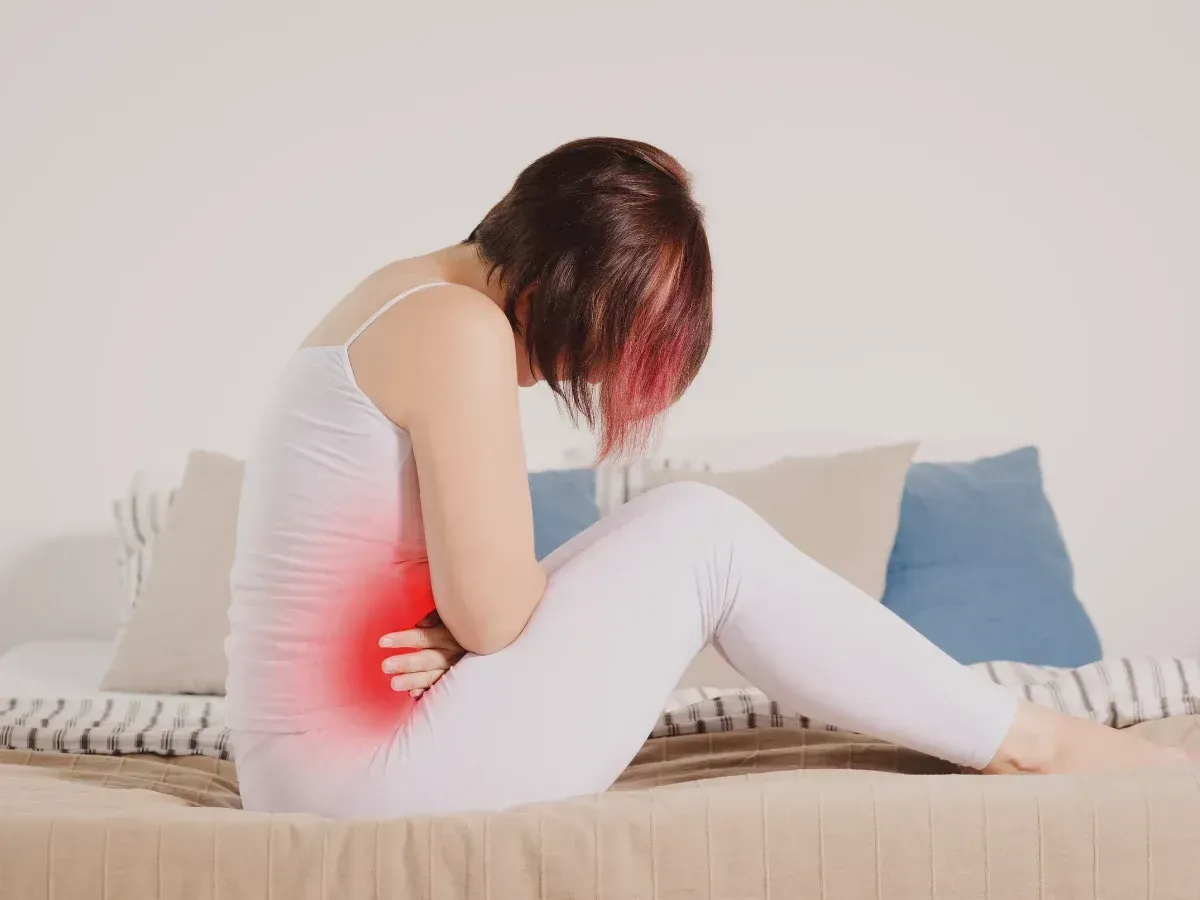
Let’s break it down in a way that makes sense. In this post, you’ll learn:
What the gut-brain axis is and how it works
How poor gut health can trigger anxiety and low mood
6 foods that boost gut and mental health
4 foods that quietly wreck both
When it might be time to seek help
And how my 28-Day Gut Reset can help you feel better from the inside out
What Is the Gut-Brain Axis?
Imagine a superhighway between your gut and your brain. That’s basically what the gut-brain axis is.
It’s a two-way communication line that connects your digestive system and central nervous system. And it runs 24/7.
Here’s the amazing part: your gut has its own little nervous system called the enteric nervous system — often called the "second brain."
It produces more than 90% of your body's serotonin (your feel-good chemical), along with other brain chemicals like dopamine and GABA, which help regulate mood and anxiety.
When your gut is off, your mood, sleep, and stress levels often take a hit.
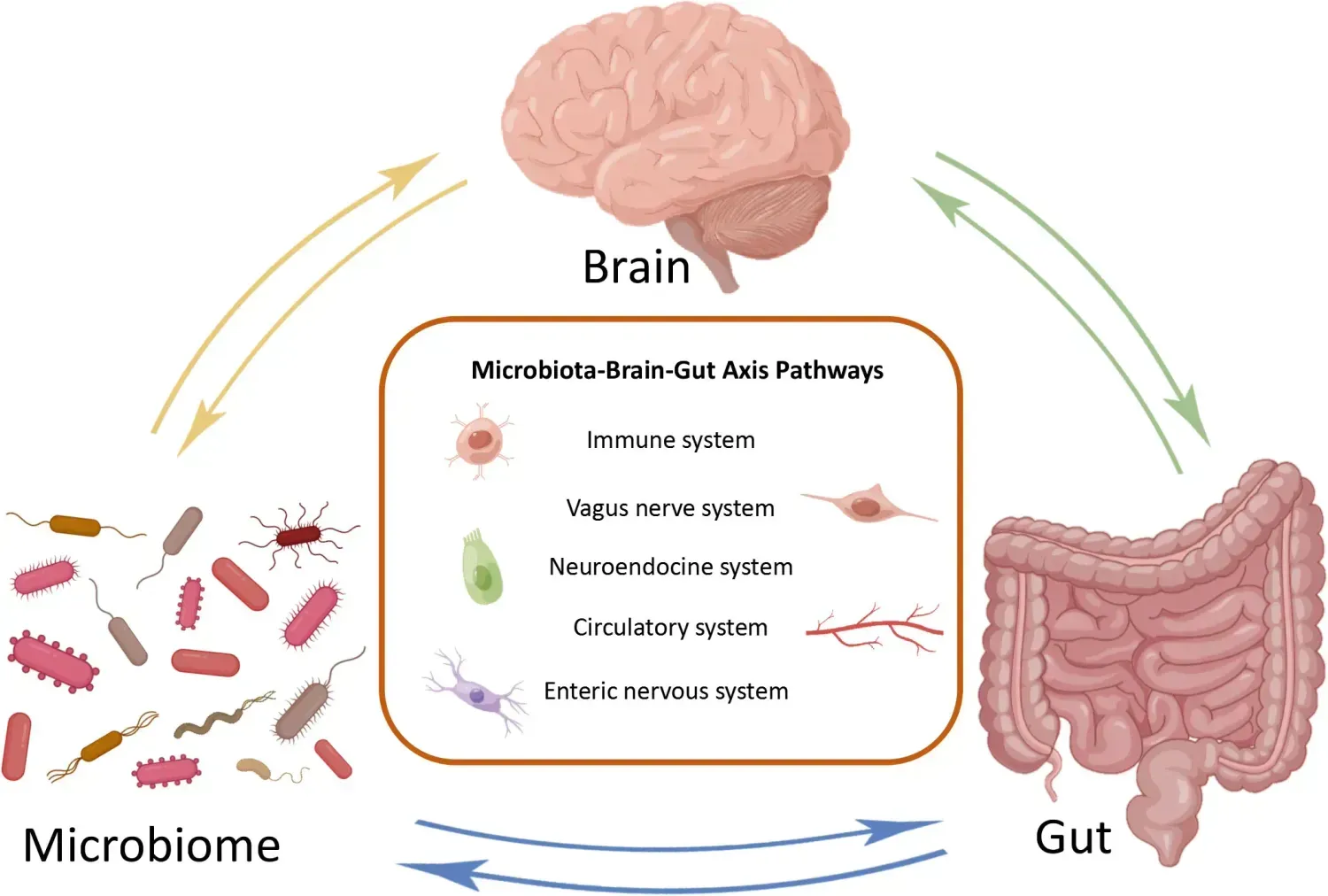
"The gut microbiome can influence central nervous system function and behavior via neural, endocrine, and immune pathways."
— Cryan & Dinan, Nature Reviews Neuroscience, 2012 PMID: 22820164.
How Poor Gut Health Triggers Anxiety
Your gut is home to trillions of bacteria. Some are helpful. Some are not.
When the bad guys start taking over (a situation called dysbiosis), your gut becomes inflamed and out of balance.
That can mess with everything from your digestion to your mood.
A 2021 meta-analysis found that people with depression had less gut bacteria diversity than those without — especially lower levels of helpful bacteria like Lactobacillus and Bifidobacterium (PMID: 34401394).
Why this matters:
Inflammation in your gut = inflammation in your brain
Less serotonin gets made
You become more sensitive to stress
Anxiety becomes your new baseline
If your anxiety gets worse after eating or during digestive flare-ups, your gut may be sending an SOS.
6 Foods That Support Gut and Mental Health
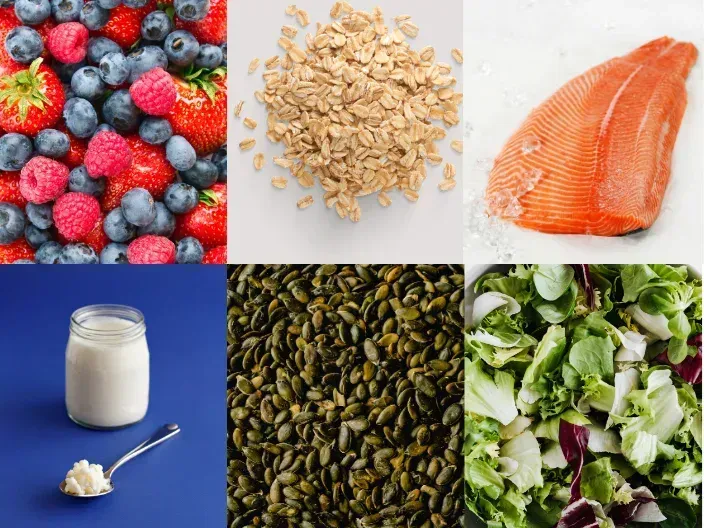
Thankfully, food can be medicine.
These six foods can help calm your belly and your brain:
1. Fermented Foods
Think yogurt, kefir, sauerkraut, miso, and kimchi.
These are packed with live bacteria (probiotics) that help balance your gut.
One study showed that eating fermented foods daily reduced stress and improved social behavior (PMID: 34668781).
2. Leafy Greens
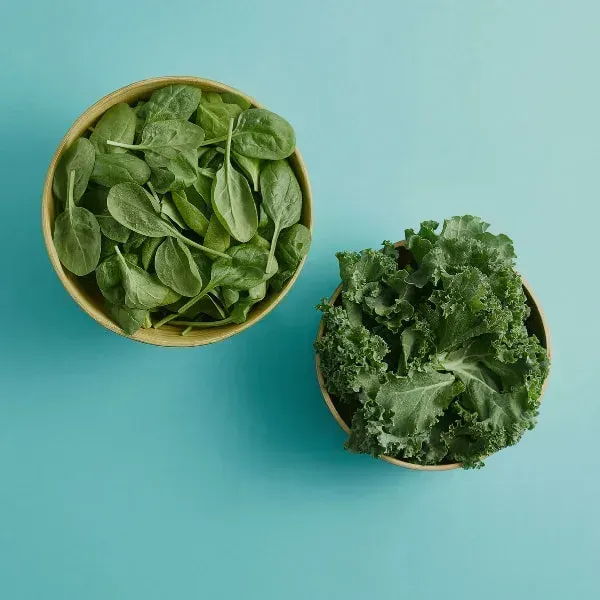
Spinach, rocket, kale — these are rich in folate and fiber. Folate helps with serotonin production, and the fiber feeds your good gut bugs.
3. Oats
Oats are full of beta-glucans, a special fiber that helps keep your blood sugar stable and feeds gut bacteria that produce calming short-chain fatty acids (SCFAs) (EFSA, 2010; PMID: 33747490; PMID: 30626907).
4. Berries
Blueberries, raspberries, and blackberries contain polyphenols that help reduce inflammation and support both brain and gut health.
5. Fatty Fish
Salmon, sardines, and mackerel are loaded with omega-3s, which help reduce gut inflammation and improve mood — especially in women with anxiety (PMID: 29427970).
6. Pumpkin Seeds
These little seeds pack magnesium and zinc — two minerals that help calm the nervous system and support a strong gut lining.
4 Foods That Worsen Both
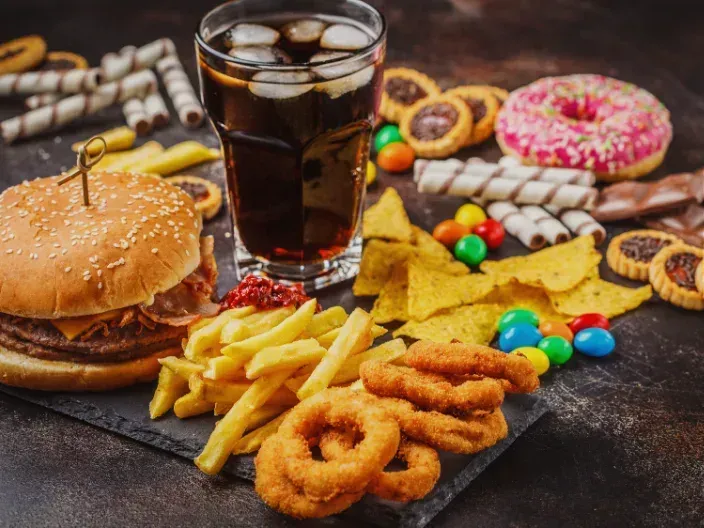
They might be everywhere — in your pantry, lunchbox, or evening snacks — but these foods can quietly wreak havoc on your gut and your mood:
1. Refined Sugar
Sugar feeds the wrong bacteria, causes inflammation, and leads to blood sugar crashes — all of which increase anxiety.
2. Ultra-Processed Foods
Packaged snacks, ready meals, and takeaways often contain additives that disrupt your microbiome.
"High processed diets reduce microbiome diversity within days." — Tim Spector, Spoon-Fed
3. Artificial Sweeteners
Aspartame and sucralose may change your gut bacteria and have been linked to anxiety-like behaviors in animal studies (PMID: 31288395).
4. Too Much Alcohol
Even moderate drinking can damage your gut lining, reduce sleep quality, and trigger anxiety the next day.
When Should You Seek Help?
If you’re dealing with daily bloating, constipation, or food reactions — and anxiety is riding shotgun — it might be time to look deeper.
Other red flags include:
Anxiety that gets worse after meals
Feeling wired but tired
A history of antibiotic or birth control use
Ongoing fatigue or brain fog
You may need gut testing, targeted supplements, or a structured plan.
How The 28 Day Gut Reset Can Help

Gut health doesn’t exist in a vacuum — it’s deeply tied to how we eat, how we live, and how we manage stress.
That’s why I’ve built stress reduction techniques into the Gut Reset: from nervous system-friendly meals to simple daily habits that support calm and digestion.
It’s a step-by-step program designed to help restore gut health, calm inflammation, and feel better mentally and physically.
You’ll get:
A clear plan to reduce common gut triggers
Meals that feed calm and energy
A gentle reintroduction system
Lifestyle tools that support your nervous system
It’s not a diet.
It’s a reset for your gut and your peace of mind.
✨ Click here to start your Gut Reset today and feel the difference in your belly, your brain, and your life.

References
1. Cryan JF, Dinan TG. Nat Rev Neurosci. 2012;13(10):701-712. [PMID: 22820164]
2. Knudsen JK, et al. J Affect Disord. 2021;281:24-36. [PMID: 34401394]
3. Wastyk HC, et al. Cell. 2021;184(16):4137-4153.e14. [PMID: 34668781]
4. EFSA Panel. EFSA Journal. 2010;8(12):1885.
5. Liu F, et al. J Funct Foods. 2021;87:104766. [PMID: 33747490]
6. Dalile B, et al. Nat Rev Gastroenterol Hepatol. 2019;16(8):461–478. [PMID: 30626907]
7. Gow R, et al. Nutrients. 2019;11(12):2810. [PMID: 29427970]
8. Spector T. Spoon-Fed. Penguin, 2020.
9. Burokas A, et al. Nutr Neurosci. 2020;23(9):679-688. [PMID: 31288395]

Sunel Visser
Sunel’s journey with gut health began while living in Thailand, when she developed severe digestive issues.
Determined to find a natural, lasting solution — without antibiotics or 'cop out' medical labels — she dedicated herself to deep research and experimentation.
The result was a transformative protocol that restored her digestive health, stabilized her weight fluctuations, and improved her immune system and overall quality of life - since 2014.
Sunel holds a degree in Sport Science, an Honours degree in Psychology, is a Certified Personal Trainer, Certified Strength and Conditioning Specialist, and has an Advanced Certificate in Nutritional Counseling.
Quick links
Contact
sunel@sunelvfitness.com
+27 84 558 7015