The Real Reason You Catch Every Cold and Flu — It Starts in Your Gut
If you come down with every bug that goes around — especially in winter — you’re not alone.
Many experience a frustrating cycle of getting sick year after year, even when they eat well, take vitamins, and try to stay healthy.
But the real reason might not be your immune system.
It may be your gut.
The Link Between Gut Health and Immune System Strength
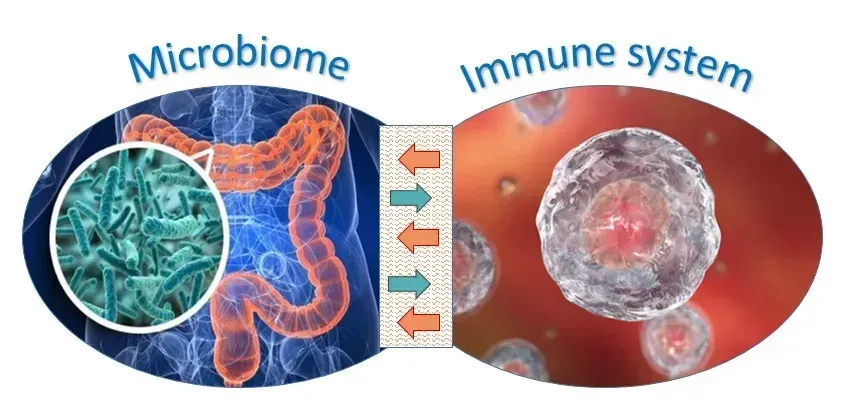
Image Credit: EM/CFS Research Review
What most people don’t realize is that up to 80% of your immune system lives in your gut.
This includes a network of immune cells known as the Gut-Associated Lymphoid Tissue (GALT) — the largest immune organ in your body, as explained in this summary by Taylor & Francis.
These immune cells are constantly influenced by the trillions of microbes living in your digestive tract — your gut microbiome.
These microbes help “train” your immune system to know what to fight and what to ignore, according to a review published in Nature Reviews Gastroenterology & Hepatology.
If your gut microbiome is diverse and balanced, it helps your immune system stay calm, accurate, and strong.
If it’s out of balance — that’s when problems begin.
Gut Microbiome Immunity: How It Protects You from Getting Sick
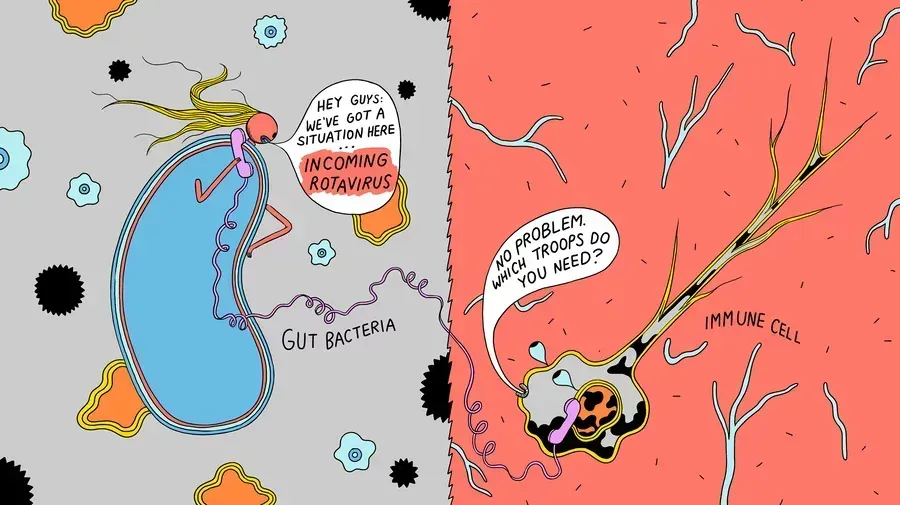
Image Credit: NPR.org - Goats and Soda
Your gut microbiome immunity plays a key role in fighting off viruses, bacteria, and seasonal infections.
Specific beneficial bacteria in your gut help:
Stimulate antiviral immune cells
Prevent overreactions (like allergies or autoimmunity)
Reduce systemic inflammation
Strengthen your gut lining to block pathogens
A diverse gut microbiome also produces short-chain fatty acids (like butyrate) that nourish immune cells and support communication between your gut and immune system.
But when that microbial diversity is lost — due to stress, diet, antibiotics, or aging — your immune system can become both overactive (chronic inflammation) and underprepared (poor viral defense).
Why Gut Dysbiosis Makes You Sick Every Year
Gut dysbiosis means your gut bacteria are out of balance — too few beneficial strains and too many harmful ones.
This can lead to “leaky gut,” where toxins and microbes escape into the bloodstream and trigger widespread inflammation.
This immune confusion leaves you vulnerable to every cold, flu, or sinus infection that comes along — especially during winter when immune load is higher.
A review in Gut Microbes explains how gut dysbiosis weakens barrier function and drives low-grade chronic inflammation, which over time compromises your body’s ability to fight real infections.
The Impact of Stress on Gut-Immune Function in Women

Chronic stress — something most women over 40 are no stranger to — directly disrupts gut microbiome immunity.
According to Physiological Reviews, stress decreases protective bacteria like Lactobacillus and Bifidobacterium, increases gut permeability, and promotes pro-inflammatory cytokines.
Women in particular are more vulnerable to stress-related immune disruption.
As outlined in Frontiers in Immunology, they have a higher risk of autoimmune disease and more severe inflammatory responses — both of which are linked to the gut.
What COVID-19 Taught Us About Gut Health and Immune Resilience
Multiple studies during the pandemic found that the gut microbiome played a major role in COVID severity.
A study published in Gut found that patients with severe COVID symptoms had significantly reduced levels of Faecalibacterium prausnitzii, Roseburia, and other beneficial gut microbes. They also had more inflammatory species like Enterococcus faecium.
Meanwhile, those with a plant-rich, fiber-dense diet were 40% less likely to develop severe COVID, according to findings in BMJ Nutrition.
Long COVID and Persistent Gut Problems
Months after recovery, people with Long COVID still show signs of gut dysbiosis.
A 2022 study in Frontiers in Microbiology found ongoing loss of beneficial bacteria and dominance of inflammatory microbes.
This imbalance has been linked to fatigue, recurring infections, and even skin conditions like rosacea and eczema, as shown in a 2021 review in MDPI Pathogens.
The evidence is clear: a compromised gut microbiome increases your vulnerability to infection and slows your recovery — long after the virus has gone.
Gut Reset Immune Benefits: A Natural Way to Stay Healthy All Year
You don’t need another supplement or immune-boosting pill.
You need to heal your gut.
When you:
Remove inflammatory foods
Eat more diverse plant fiber
Rebuild microbial balance
Reduce stress and improve sleep
… your gut microbiome becomes stronger — and so does your immune system.
This is why many women find that after focusing on gut health, they stop getting sick every year.
Colds become rare. Viruses don’t linger. Energy returns.
How Dr. Megan Rossi Recommends Strengthening Gut Health Naturally
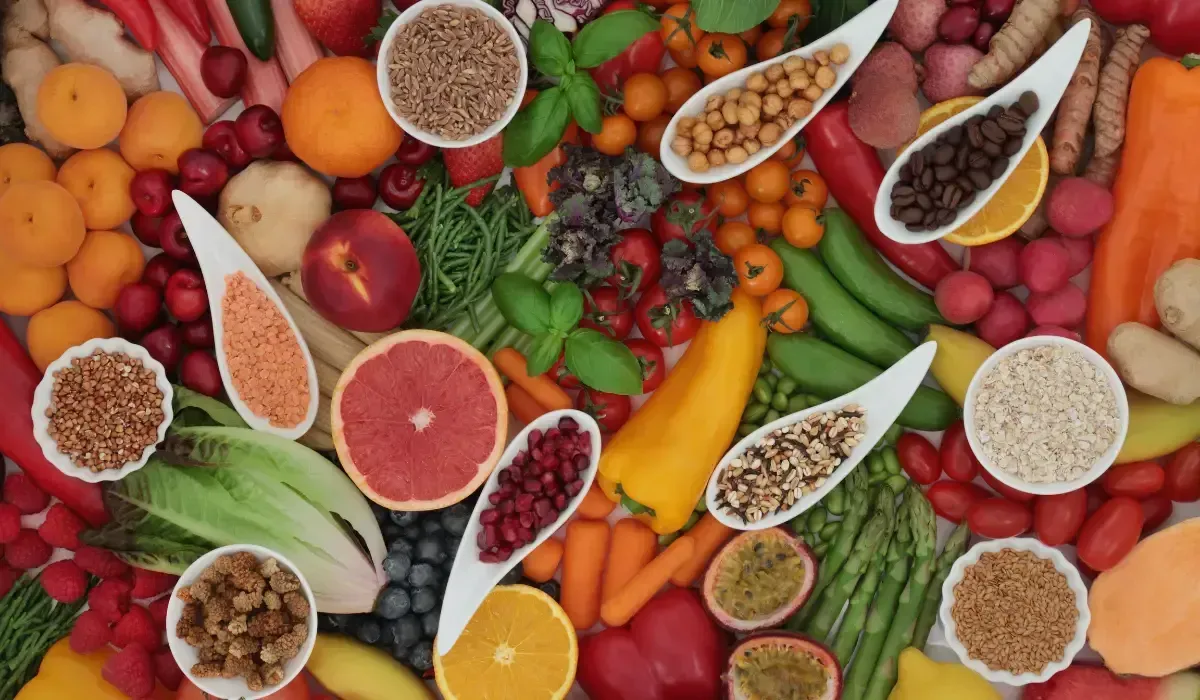
According to Dr. Megan Rossi, one of the UK’s top gut health researchers, the most effective way to build gut-immune strength is to eat a wider variety of plant foods — not take more supplements.
She recommends aiming for 30 or more different plant foods per week, focusing on these six categories:
Vegetables
Include options like carrots, spinach, broccoli, sweet potatoes, and bell peppers.Fruits
Think apples, oranges, berries, bananas, avocado, and kiwi.Wholegrains
Such as oats, brown rice, barley, quinoa, and whole-wheat pasta.Legumes
Like chickpeas, black beans, lentils, edamame, and kidney beans.Nuts & Seeds
Including almonds, walnuts, chia seeds, flaxseeds, and sunflower seeds.Herbs & Spices
Add flavor and benefits with turmeric, garlic, ginger, rosemary, basil, and cinnamon.
Each type of plant feeds different microbes, creating a diverse and resilient gut microbiome — your body’s first line of defense against illness.
Lifestyle Habits That Support Gut Microbiome Immunity

Food is only part of the puzzle.
A University of Bristol study showed that reducing stress boosted flu vaccine effectiveness — a clear sign that mindset, rest, and recovery matter.
To support gut and immune health long-term:
Prioritize 7–8 hours of sleep
Practice stress-reducing habits like deep breathing or mindfulness
Exercise gently and regularly
Avoid unnecessary antibiotics
These habits make your gut more resilient — and with it, your entire immune system.
Ready to Strengthen Your Gut and Finally Stop Getting Sick Every Year?
If you’re tired of the winter cycle of colds, flu, fatigue, and lingering illness, it’s time to support your gut the right way — with real food, smart habits, and a clear plan.
The 28 Day Gut Reset is designed to help you:
Eliminate gut irritants
Rebuild microbial diversity
Heal your gut lining
Restore immune resilience — naturally
It’s not a supplement. It’s not a cleanse.
It’s a practical, food-first solution that works — especially for people dealing with recurring illness and inflammation.
Conclusion:
Want to Stay Healthy All Winter? Start with Your Gut
If you’re tired of getting sick every winter or catching every cold that goes around, it’s time to look deeper than the immune system alone.
Your gut health and immune system are inseparable.
A balanced, diverse microbiome supports immunity at the root — not just for fighting infections, but for preventing them in the first place.
Start with your gut. It’s where your immune resilience begins — and where you’ll find lasting protection, naturally.

Sunel Visser
Sunel’s journey with gut health began while living in Thailand, when she developed severe digestive issues.
Determined to find a natural, lasting solution — without antibiotics or 'cop out' medical labels — she dedicated herself to deep research and experimentation.
The result was a transformative protocol that restored her digestive health, stabilized her weight fluctuations, and improved her immune system and overall quality of life - since 2014.
Sunel holds a degree in Sport Science, an Honours degree in Psychology, is a Certified Personal Trainer, Certified Strength and Conditioning Specialist, and has an Advanced Certificate in Nutritional Counseling.
Quick links
Contact
sunel@sunelvfitness.com
+27 84 558 7015