Gut Health and Rosacea: How to Fix Redness and Flare‑Ups Naturally
Rosacea is more than a cosmetic nuisance.
For many women over 40, stubborn facial redness, bumps, and flushing point to a gut health issue.
If creams, lasers, or medications only give temporary relief, you’re not imagining things.
Science now confirms that conditions like SIBO (small intestinal bacterial overgrowth), gut dysbiosis, and leaky gut are closely tied to rosacea flare-ups.
Let’s explore how the gut-skin axis explains your symptoms — and how healing your gut may be the key to finally calming rosacea naturally.
The Gut-Skin Axis and Rosacea: Why Your Gut Health Shows on Your Face
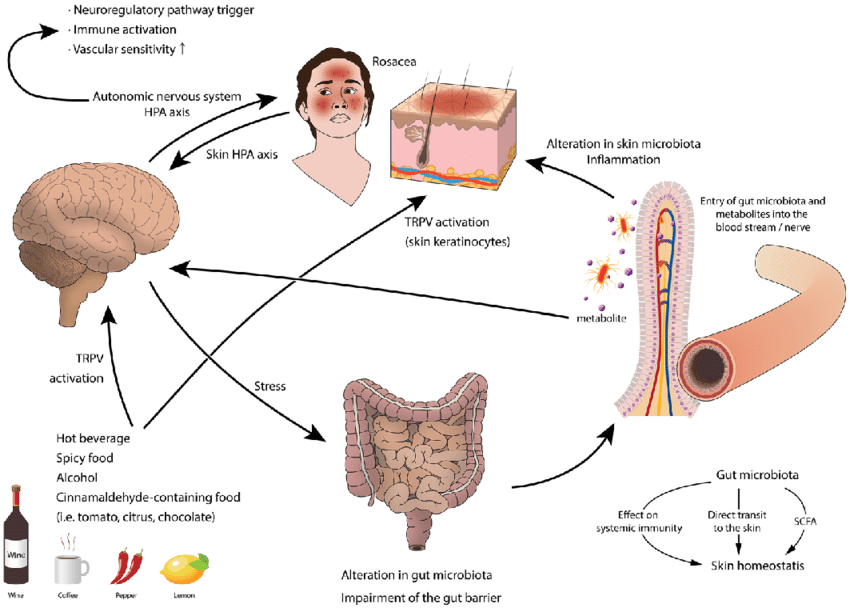
The gut-skin axis is the communication network between your digestive system and your skin.
When gut bacteria are balanced, they produce compounds that reduce inflammation and support skin health.
But when imbalance occurs, toxins and inflammatory signals spill into your bloodstream, showing up as rosacea.
Research published in Frontiers in Medicine confirms rosacea patients are far more likely to have digestive disorders such as IBS and celiac disease than people without rosacea.
👉 As I explain in my post on chronic inflammation and gut health, systemic inflammation from the gut often manifests in the skin first.
SIBO and Rosacea: The Most Compelling Gut Health Connection
How SIBO Fuels Rosacea Flare-Ups
Small Intestinal Bacterial Overgrowth (SIBO) is when bacteria overpopulate the small intestine. These bacteria release toxins and gases that inflame the gut and increase permeability.
A landmark study in the Journal of the American Academy of Dermatology found that 46–52% of rosacea patients had SIBO, compared to only 5% of healthy controls.
If you notice your rosacea flares after meals, with bloating or cramps, it could be linked to SIBO.
Leaky Gut Rosacea: The Hidden Fire Behind Redness
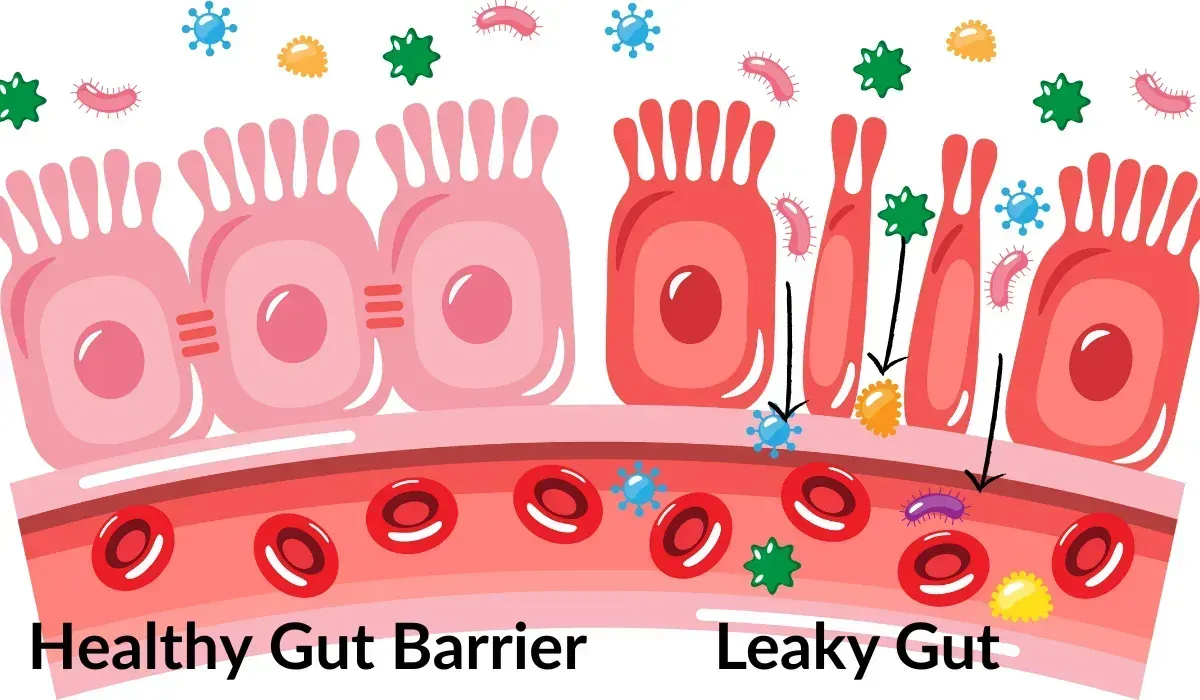
A leaky gut occurs when your intestinal lining becomes too permeable, letting toxins like lipopolysaccharides into the bloodstream.
Research in Dermato-Endocrinology shows this gut barrier dysfunction sparks immune overactivity that worsens rosacea’s redness and bumps.
Common signs that point to leaky gut rosacea include:
Digestive discomfort (bloating, cramps)
Flare-ups after certain foods
Fatigue, brain fog, or joint pain alongside skin symptoms
Gut Dysbiosis and Rosacea: Why Microbial Balance Matters
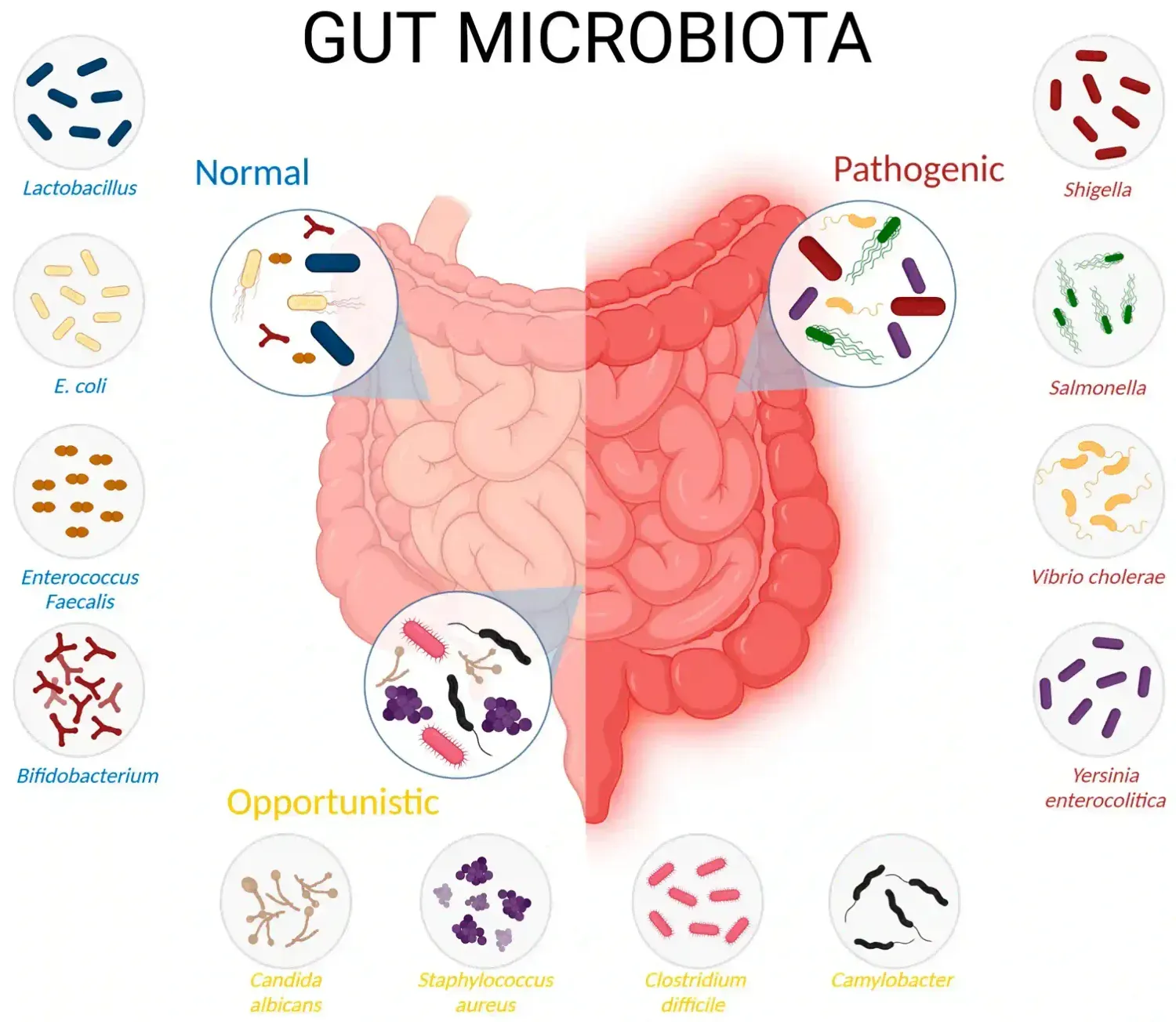
Beyond SIBO and leaky gut, the overall gut microbiome balance plays a huge role.
A 2025 study in BMC Microbiology found rosacea patients had:
Higher levels of pro-inflammatory bacteria such as Lachnospiraceae
Lower levels of beneficial bacteria like Bifidobacteriaceae
This imbalance — called gut dysbiosis — drives chronic inflammation, which directly fuels rosacea.
Fix Rosacea Naturally: Gut-Friendly Solutions That Work
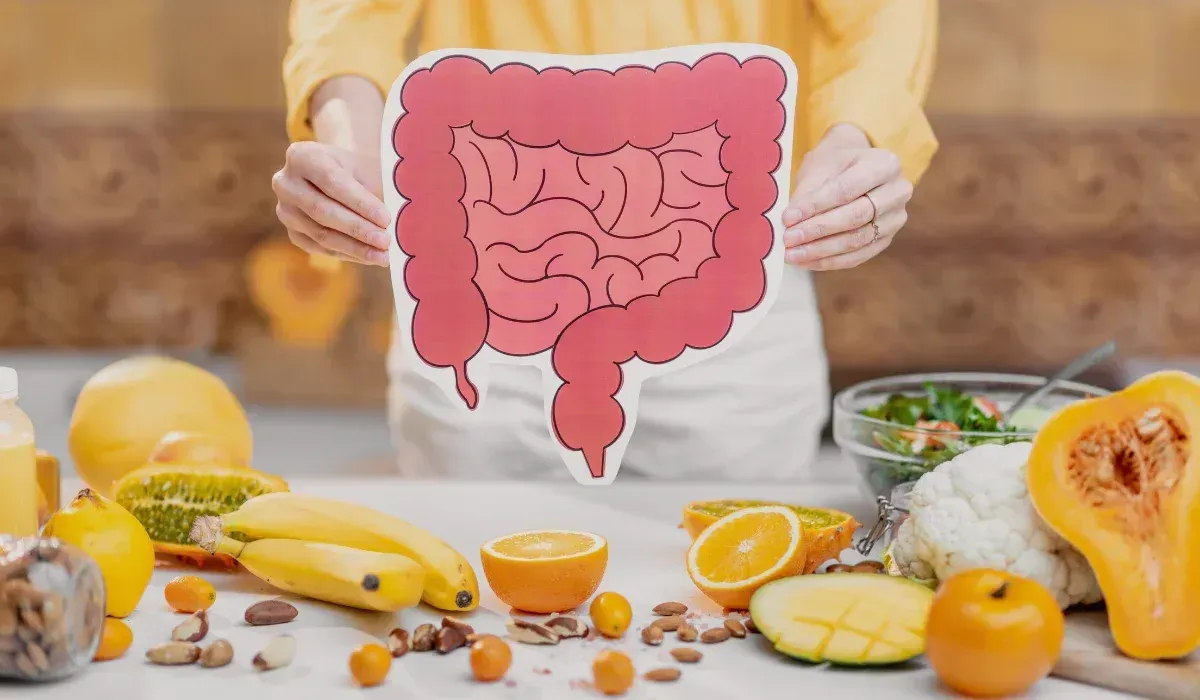
Eat a Gut Health Diet for Rosacea
Remove triggers like sugar, alcohol, and processed foods.
Choose anti-inflammatory foods: leafy greens, salmon, olive oil, berries.
Add fermented foods (sauerkraut, kefir, kimchi) for probiotics.
Repair the Gut Lining to Reduce Flare-Ups
Include bone broth, collagen-rich soups, and omega‑3s.
Supplement with L-glutamine and zinc (if guided by your practitioner).
Probiotics for Rosacea and Microbiome Diversity
Look for strains like Lactobacillus and Bifidobacterium, which research shows may calm rosacea.
Eat prebiotic foods (garlic, onions, asparagus, chia seeds) to feed healthy microbes
Manage Stress to Heal Rosacea from Within
Stress raises cortisol, which disrupts your gut barrier. Practice meditation, yoga, or mindful walking.
👉 As I outline in my post on the gut-brain connection, managing stress is critical to calming the gut-skin axis.
Gut Reset for Rosacea: Why a Structured Plan Helps

The gut is complex, which is why a structured 28 Day Gut Reset is so effective.
It gives your body time to:
Eliminate inflammatory foods
Repair gut lining integrity
Repopulate beneficial bacteria
Reduce systemic inflammation driving rosacea
Women often report calmer skin tone and fewer flare-ups within just four weeks.
Key Takeaway: Heal Your Gut, Calm Your Rosacea
Rosacea is not only a skin condition — it’s often a gut condition showing on your face.
Addressing gut dysbiosis, leaky gut, and SIBO can bring lasting relief.
Start Your Gut Reset for Rosacea
Ready to finally calm your rosacea naturally?
👉 Join the 28 Day Gut Reset — the proven program designed to rebalance your microbiome, heal your gut lining, and reduce the inflammation driving rosacea.
In just four weeks, you could see calmer skin, fewer flares, and the confidence you deserve.

Sunel Visser
Sunel’s journey with gut health began while living in Thailand, when she developed severe digestive issues.
Determined to find a natural, lasting solution — without antibiotics or 'cop out' medical labels — she dedicated herself to deep research and experimentation.
The result was a transformative protocol that restored her digestive health, stabilized her weight fluctuations, and improved her immune system and overall quality of life - since 2014.
Sunel holds a degree in Sport Science, an Honours degree in Psychology, is a Certified Personal Trainer, Certified Strength and Conditioning Specialist, and has an Advanced Certificate in Nutritional Counseling.
Quick links
Contact
sunel@sunelvfitness.com
+27 84 558 7015