The Gut-Weight Connection: How Your Microbiome Can Fuel (or Fight) Belly Fat
It’s one of the most frustrating experiences for women over 40:
“I’m eating clean. I’m exercising. Why is this belly fat not moving?”
Sure, hormones play a role. So does stress, sleep, type of exercise, and diet.
But even when you’re “doing everything right,” there may be something deeper at play.
Your gut microbiome — the ecosystem of bacteria, viruses, and fungi in your intestines — isn’t just a digestion machine.
It influences how your body absorbs calories, stores fat, regulates hormones, and even triggers cravings.
And the science is clear: certain gut imbalances have been linked to increased belly fat, particularly visceral fat — the harmful kind that wraps around your organs and increases risk of metabolic disease.
Let’s break down how this works — and what you can do to start seeing real, lasting change.
Why Belly Fat Becomes Stubborn in Midlife
Belly fat isn’t just about aesthetics — and it’s not always caused by eating too much.
As women move through their 40s and beyond, their body fat distribution changes. You might notice that fat begins to gather more around your waist, even if your weight hasn’t increased dramatically.
This shift happens because:
Estrogen drops, causing fat to redistribute toward the midsection
Cortisol rises, increasing abdominal fat storage
Sleep quality worsens, disrupting hunger and metabolism signals
Insulin sensitivity decreases, making it easier to store fat
Muscle mass declines, lowering your resting metabolic rate
And critically — gut microbiome diversity shrinks, reducing your body’s ability to regulate fat
In fact, a 2020 study published in Nature Medicine found that adults with more diverse gut microbiomes had significantly less visceral fat, even after controlling for diet and exercise.
The researchers noted that certain beneficial microbes seemed to protect against fat accumulation, while others were consistently associated with obesity and insulin resistance.
How Gut Bacteria Influence Belly Fat
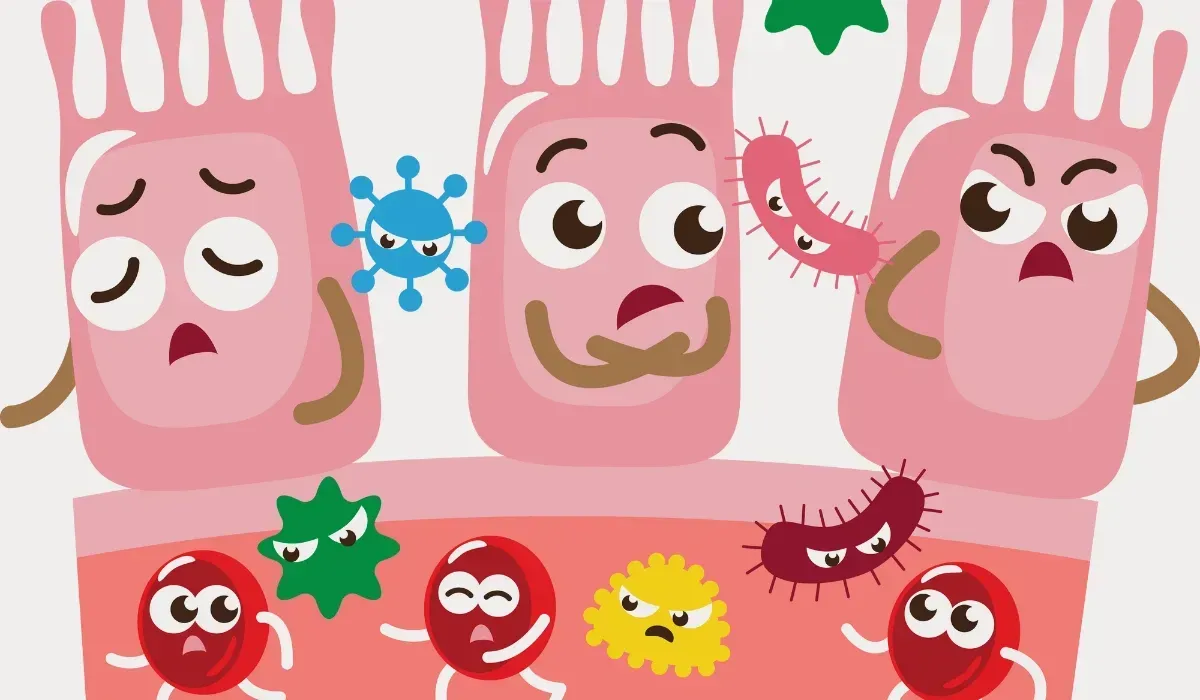
Your gut microbiome communicates with your metabolism constantly.
Here are five ways gut imbalances can promote stubborn fat gain — and how fixing them can support weight loss.
1. Some Gut Bacteria Extract More Calories From Food
The composition of your gut bacteria determines how many calories you absorb from each meal.
Bacteria from the Firmicutes phylum are highly efficient at breaking down complex carbs and fiber into short-chain fatty acids — which sounds healthy, until you realize they’re also increasing your calorie extraction.
Women with a higher Firmicutes-to-Bacteroidetes ratio tend to absorb more energy and store more fat.
In one landmark study in PNAS, mice that received microbiota from obese humans gained significantly more fat — despite consuming the same diet as those colonized with bacteria from lean donors.
The difference?
Their gut bacteria extracted more energy from food.
2. Dysbiosis Increases Inflammation and Visceral Fat
When your gut is imbalanced — a condition called dysbiosis — it often leads to a leaky gut, where bacterial toxins like lipopolysaccharides (LPS) pass through the intestinal lining and trigger immune activation.
This process, known as metabolic endotoxemia, causes low-grade inflammation that encourages the accumulation of visceral fat.
A 2017 review in Frontiers in Immunology outlines how leaky gut and LPS contribute to obesity-related inflammation and insulin resistance — especially in people already dealing with stress, poor sleep, or ultra-processed diets.
3. Certain Bacteria Disrupt Appetite and Craving Signals
Your gut microbes help regulate GLP-1 and PYY — hormones that make you feel full — and ghrelin, the hormone that signals hunger.
When your gut is out of balance, you’re more likely to feel hungrier more often, and less satisfied after eating.
A 2020 paper in Microorganisms found that gut dysbiosis interferes with these appetite-regulating hormones and can even affect your dopamine pathways — leading to stronger cravings, especially for sugar and processed carbs.
4. Good Gut Bacteria Help You Burn More Fat
Not all microbes are bad. Some strains are strongly linked to better metabolic health and reduced belly fat.
For example, a 2019 trial in Nature Medicine showed that supplementing with Akkermansia muciniphila improved insulin sensitivity and lowered markers of inflammation in overweight people.
Other strains, like Bifidobacteria and Lactobacillus gasseri, have been shown to decrease abdominal fat mass in both animals and humans.
A clinical trial in the European Journal of Clinical Nutrition found that daily L. gasseri supplementation reduced belly fat by up to 8.5% in just 12 weeks.
5. Microbiome Diversity Correlates With Leaner Body Composition
It’s not just about having “good” or “bad” bugs — it’s about diversity.
A diverse gut microbiome is more resilient, better at producing anti-inflammatory compounds, and more capable of balancing blood sugar and hunger hormones.
In a study published in Cell, researchers analyzed the gut microbiomes of over 1,000 people and found that higher microbial diversity was consistently associated with lower levels of visceral fat and better glucose control — regardless of BMI.
What You Can Do to Shift the Balance
If your gut is promoting fat storage instead of fat burning, the goal isn’t to kill bacteria — it’s to rebuild balance and diversity.
Here’s how to start shifting your microbiome to support healthy weight:
1. Remove Triggers That Feed Dysbiosis
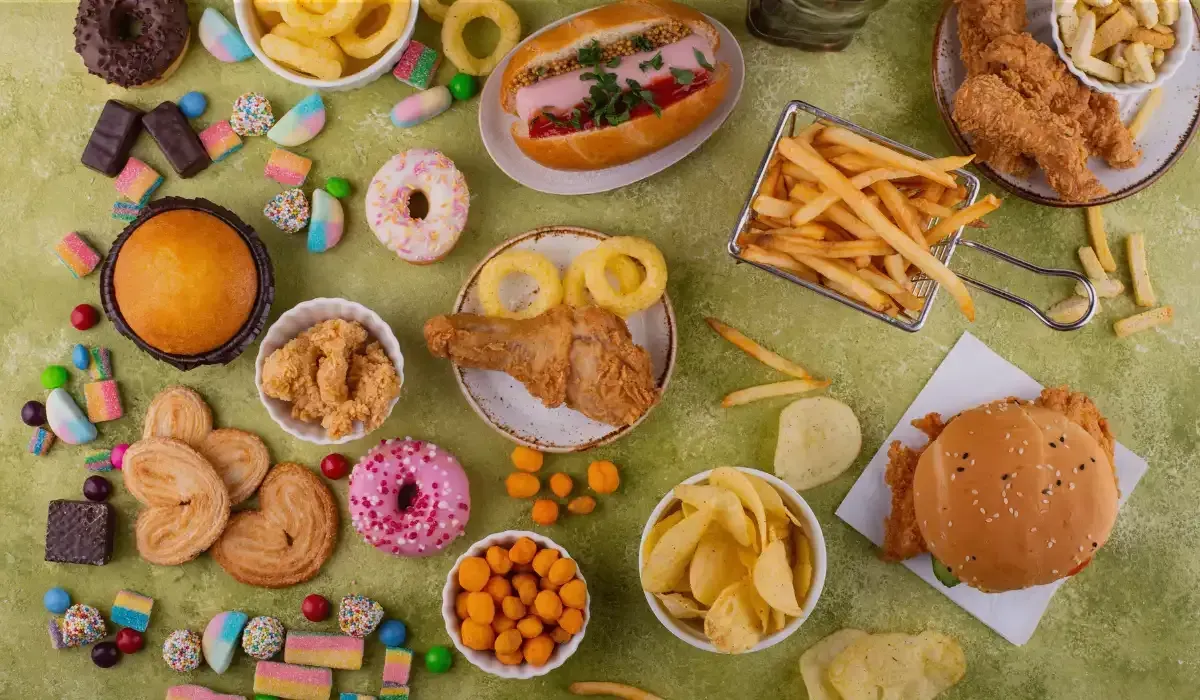
Cutting out ultra-processed foods, artificial sweeteners, alcohol, and inflammatory oils can reduce bad bacteria and give your gut lining a chance to heal.
Eliminate: industrial seed oils, refined sugar, emulsifiers, alcohol
Limit: gluten and dairy, especially during a gut reset phase
2. Rebuild Your Microbiome With Prebiotic-Rich Foods
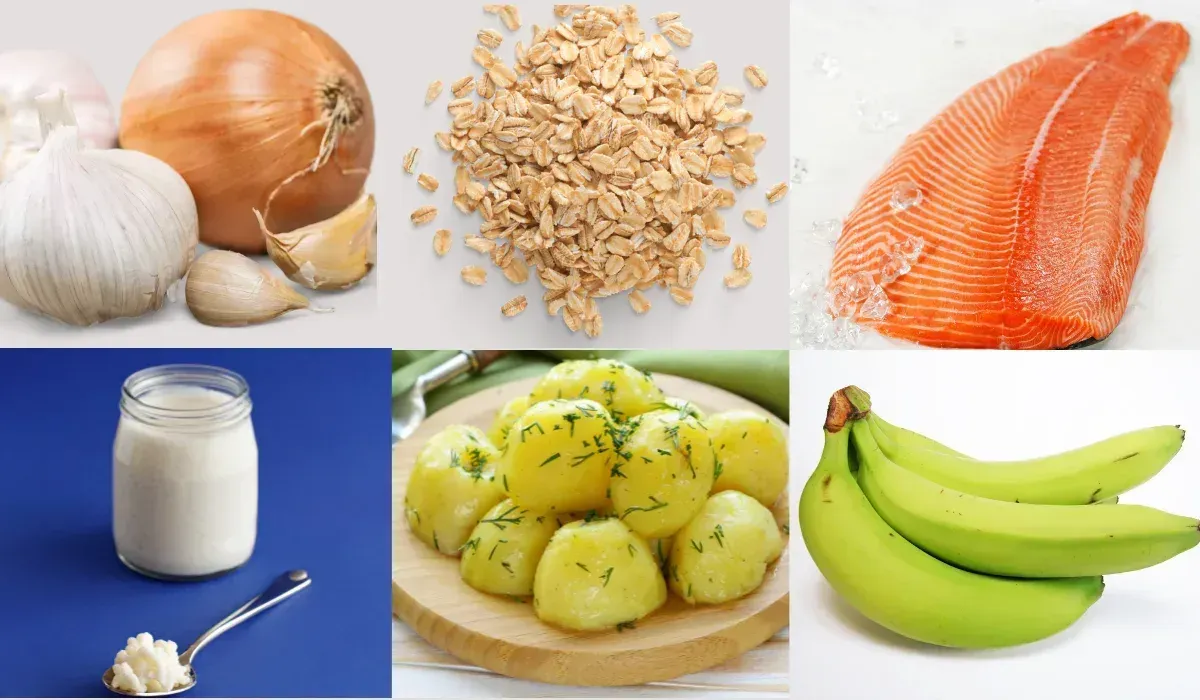
Prebiotics are fibers that feed your beneficial gut bacteria.
Eat more: garlic, leeks, onions, asparagus, cooked and cooled potatoes, oats, green bananas
Add: ground flaxseed, chia seeds, and leafy greens
3. Repair the Gut Lining With Nutrients That Restore Integrity
A leaky gut contributes to inflammation and belly fat.
To repair it:
Include: bone broth, collagen, omega-3s, zinc, and L-glutamine
Avoid: NSAIDs, alcohol, and hard-to-digest raw vegetables early on
4. Reduce Stress and Improve Sleep
Chronic cortisol dysregulates gut bacteria and promotes abdominal fat storage. Even modest improvements in sleep and stress resilience can change your microbiome.
A 2023 review in Stress found that high perceived stress was associated with lower microbiome diversity and increased visceral fat in midlife women.
5. Do a Structured Gut Reset Program
You can try to piece things together on your own — or you can follow a proven, research-backed protocol.
The 28 Day Gut Reset helps remove inflammatory triggers, rebuild the gut lining, and support weight loss by restoring microbiome diversity.
It includes:
Science-backed elimination and reintroduction phases
Personal guidance and recipes
Specific gut-healing strategies based on your symptoms
Lifestyle changes to boost results
The Bottom Line
Gut health isn’t the only reason for belly fat — but it is a foundational one that influences nearly every system involved in fat storage, hunger, inflammation, and metabolism.
If your weight loss efforts have stalled and you're doing everything right — it’s time to stop blaming willpower and start asking deeper questions.
Your gut may not just be part of the problem.
It might be the missing piece of the solution.

Sunel Visser
Sunel’s journey with gut health began while living in Thailand, when she developed severe digestive issues.
Determined to find a natural, lasting solution — without antibiotics or 'cop out' medical labels — she dedicated herself to deep research and experimentation.
The result was a transformative protocol that restored her digestive health, stabilized her weight fluctuations, and improved her immune system and overall quality of life - since 2014.
Sunel holds a degree in Sport Science, an Honours degree in Psychology, is a Certified Personal Trainer, Certified Strength and Conditioning Specialist, and has an Advanced Certificate in Nutritional Counseling.
Quick links
Contact
sunel@sunelvfitness.com
+27 84 558 7015